
Patients
Symptoms & Transmission
How does it spread?
- People: Direct skin-to-skin contact
- Animals: Contact with infected pets, such as cats or dogs
- Objects & surfaces: Towels, clothing, bedding, showers, gym equipment, combs or brushes
- Environment: Soil and warm, humid areas where fungi can persist
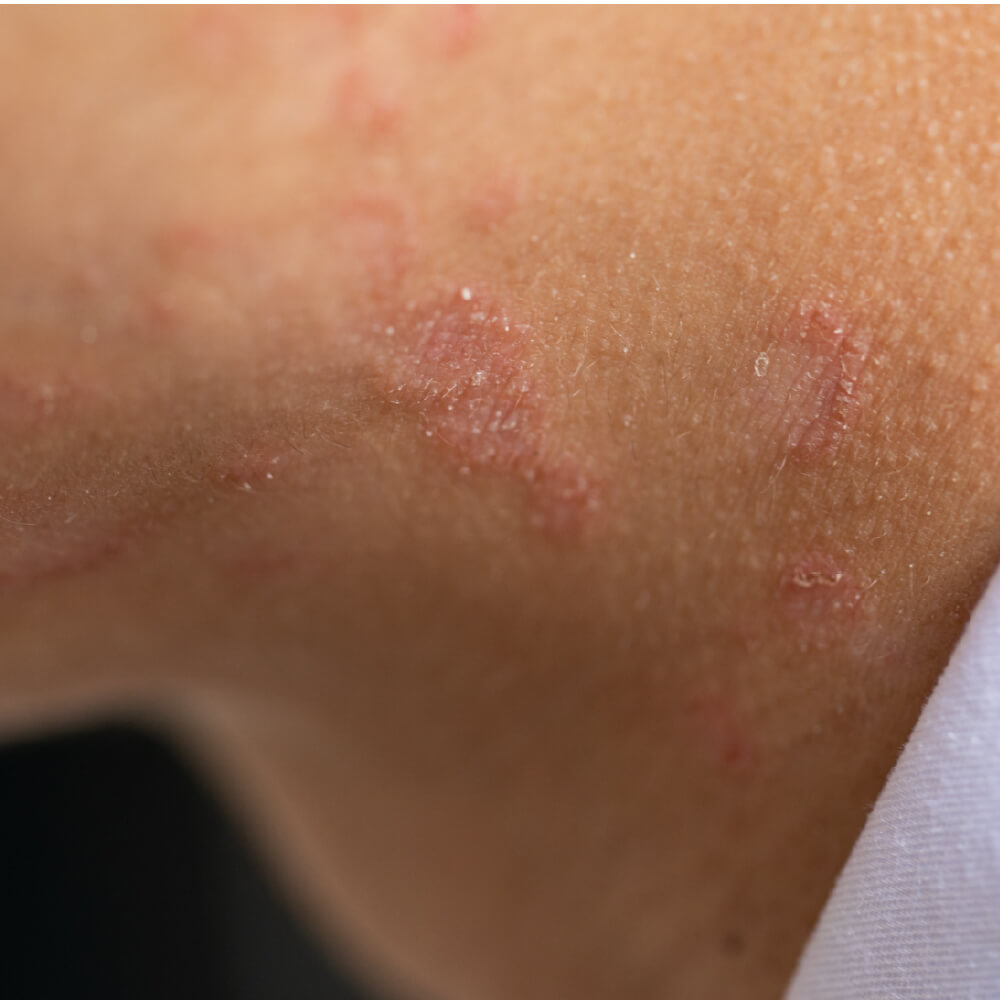
Common symptoms
Dermatophyte infections can affect the skin, nails, or scalp, and symptoms may vary depending on the area involved and the severity of the infection. Some infections remain mild and localized, while others may persist, spread, or recur over time if left untreated.
Common signs and symptoms may include:
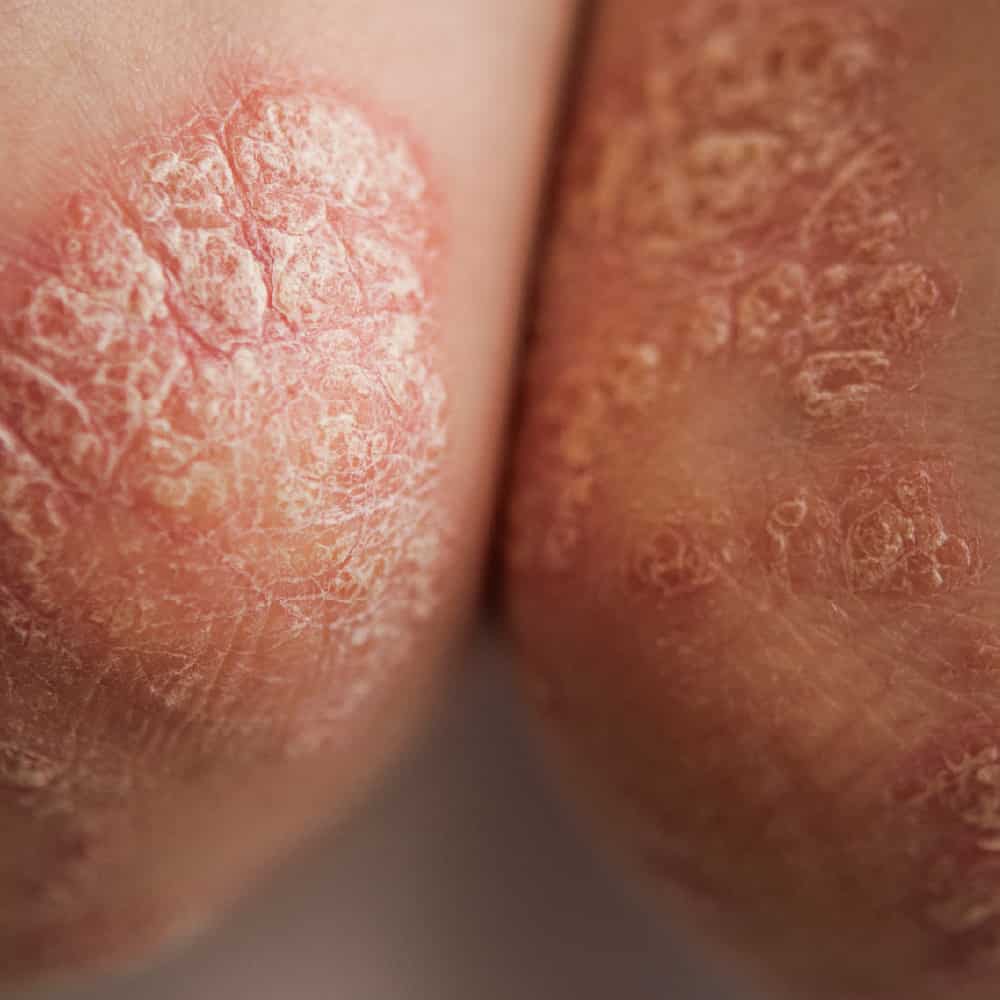
- Red, circular, or ring-shaped patches
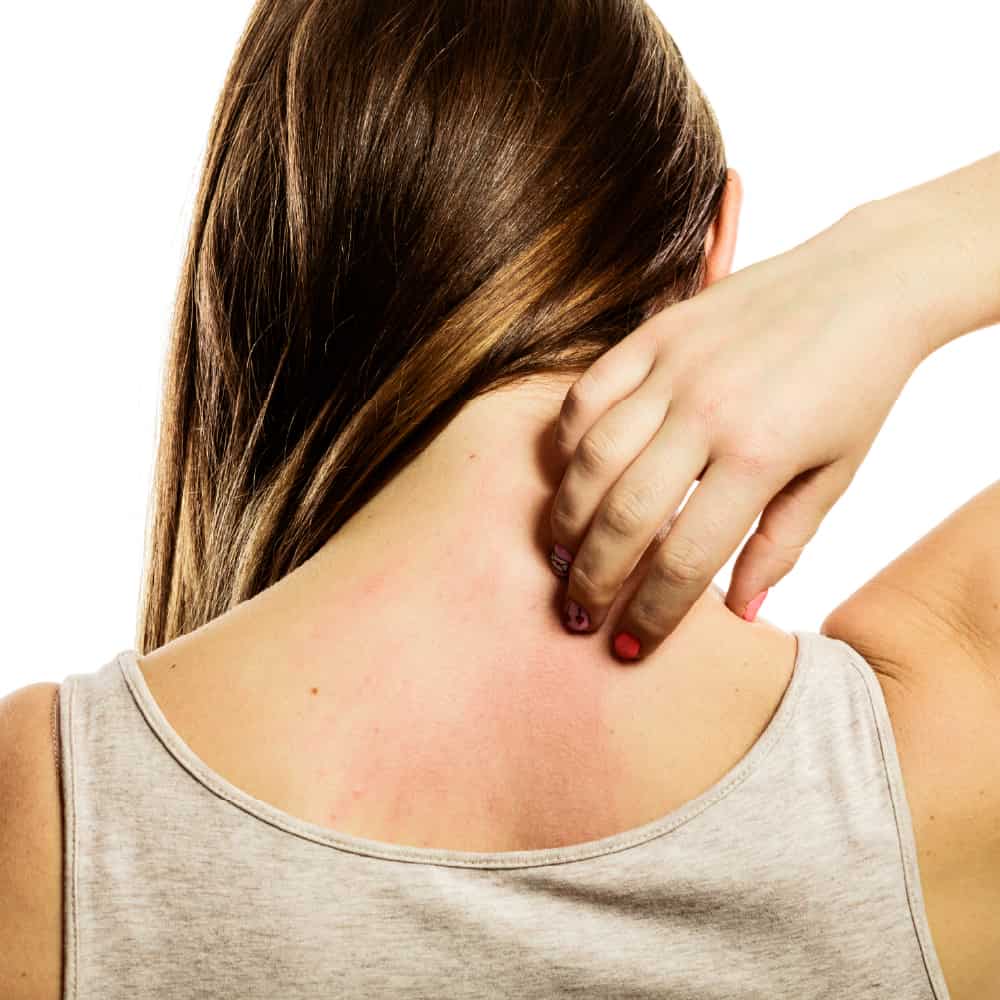
- Itching, irritation, or burning sensations
- Dry, scaling, cracked, or peeling skin
- Redness or mild inflammation
- Thickened, brittle, or discolored nails
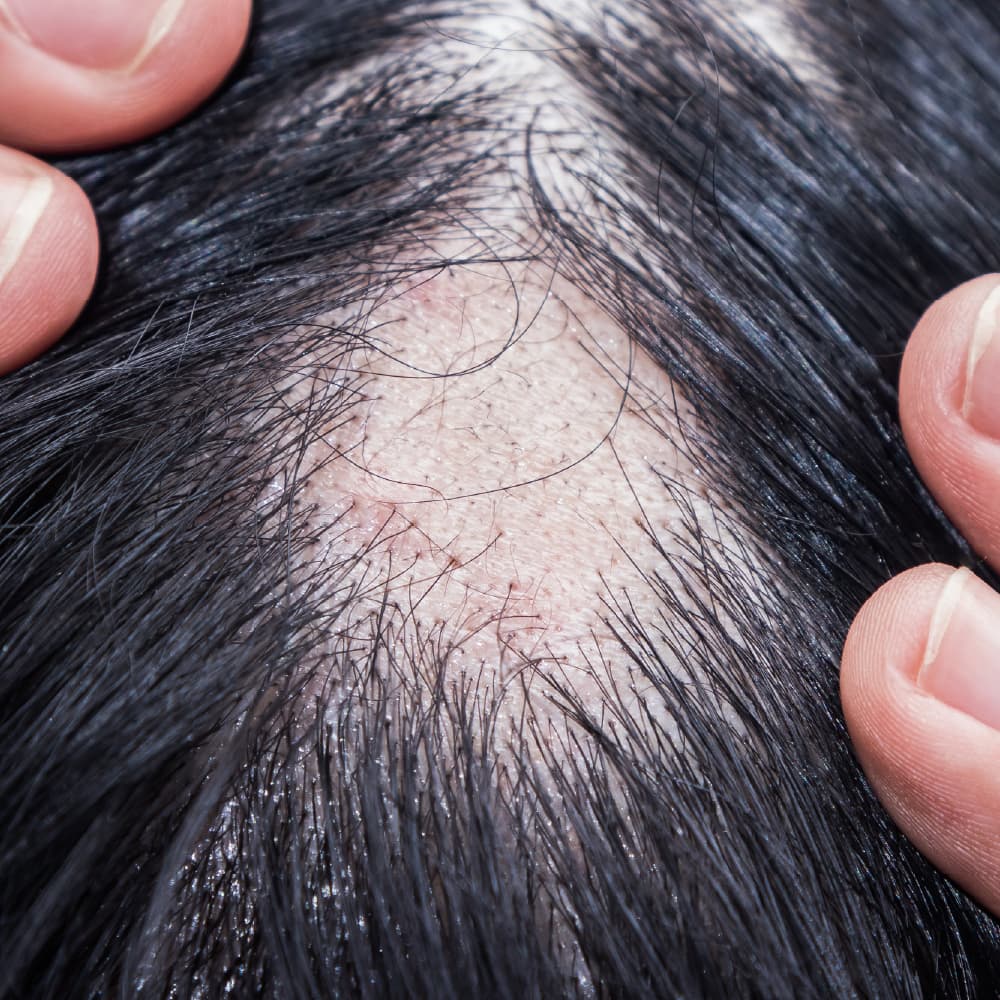
- Patchy hair loss in scalp infections
Because these symptoms can resemble other skin conditions such as eczema, psoriasis, or bacterial infections, dermatophyte infections may sometimes be difficult to recognize based on appearance alone.
If symptoms appear, persist, worsen, or return after treatment, it is important to consult a healthcare professional for appropriate evaluation, diagnosis, and management.
Common types of dermatophyte infections
Dermatophyte Infections are commonly grouped according to the area of the body they involve, as the
clinical presentation can vary depending on the site of infection, environmental factors, and host conditions.
- Athlete’s foot (Tinea pedis)
- Ringworm of the body (Tinea corporis)
- Jock itch (Tinea cruris)
- Scalp infections (Tinea capitis)
- Nail infections (Onychomycosis)
You’re not alone
Skin and nail conditions can affect much more than physical
health. Changes that are visible to others may influence
confidence, social interactions and everyday comfort. Talking to
healthcare professionals, patient organisations or others living
with dermatological conditions can help.