

Patients
Dermatomycosis
What is dermatomycosis?
Dermatomycosis refers to fungal infections affecting:
- Skin
- Hair
- Nails
These infections occur when fungi capable of feeding on keratin – a structural protein found in these tissues – establish and multiply on or within the skin.
For this reason, confirmation through proper diagnostic methods is important to distinguish fungal infections from other dermatological disorders and to guide effective treatment.
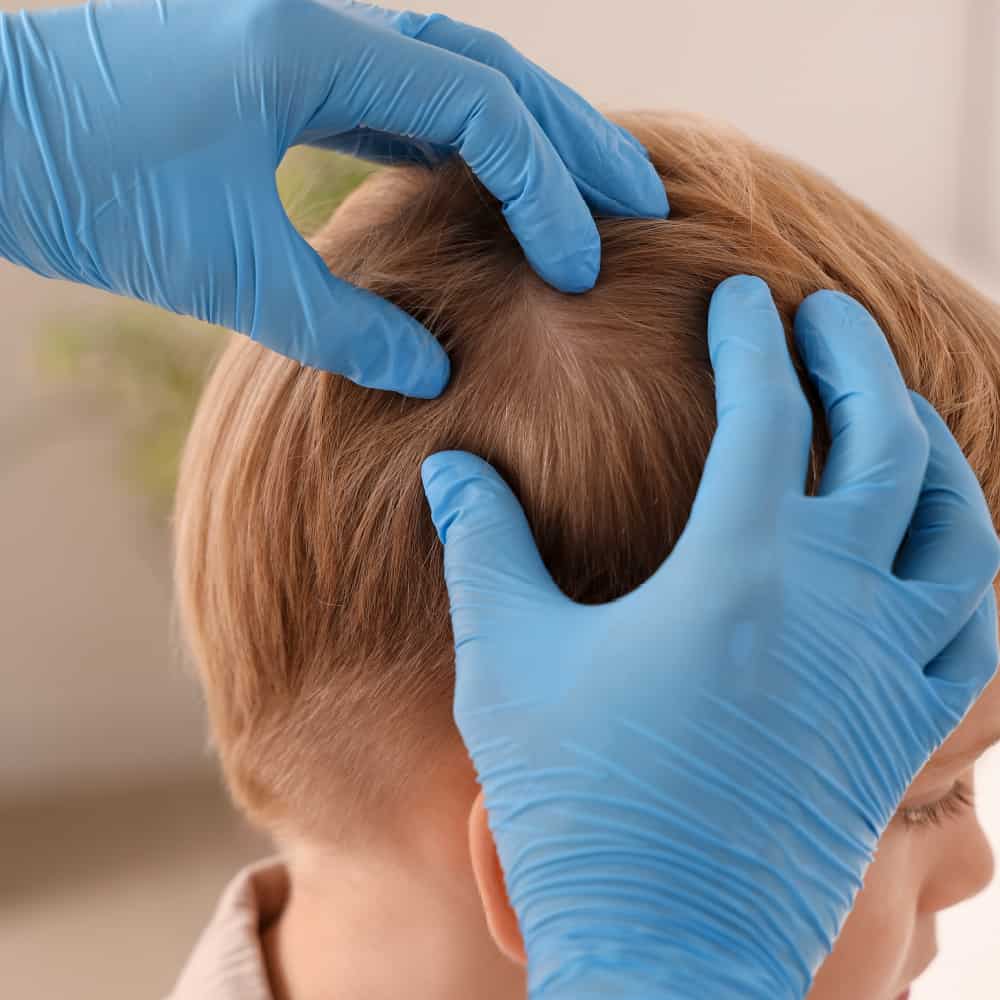
Risk Factors and Conditions Favoring Fungal Growth
The condition can develop in various parts of the body and is strongly influenced by environmental and personal factors that favor fungal growth. Warm and humid conditions, friction, and prolonged moisture can all contribute to the development of infection, particularly in areas such as skin folds or sites exposed to sweating and occlusion.
Transmission Pathways of Dermatomycoses
Dermatomycoses are most often acquired through direct or indirect contact, meaning transmission can occur from person to person, via shared objects, or through contaminated environments where fungal spores persist.
In some cases, animals may also serve as a source of infection, even when they appear healthy and show no obvious signs such as hair loss or skin lesions.
Clinical Manifestations and Diagnostic Challenges
Clinically, infections may present with a range of symptoms depending on the affected site, including itching, redness, scaling, thickening of the skin or nails, or hair involvement. Because these signs can resemble other common skin conditions, visual assessment alone is often not sufficient for diagnosis.
Have a question?
For general information about this website, contact our team.
For questions about your health, diagnosis, or treatment, please consult a healthcare professional.